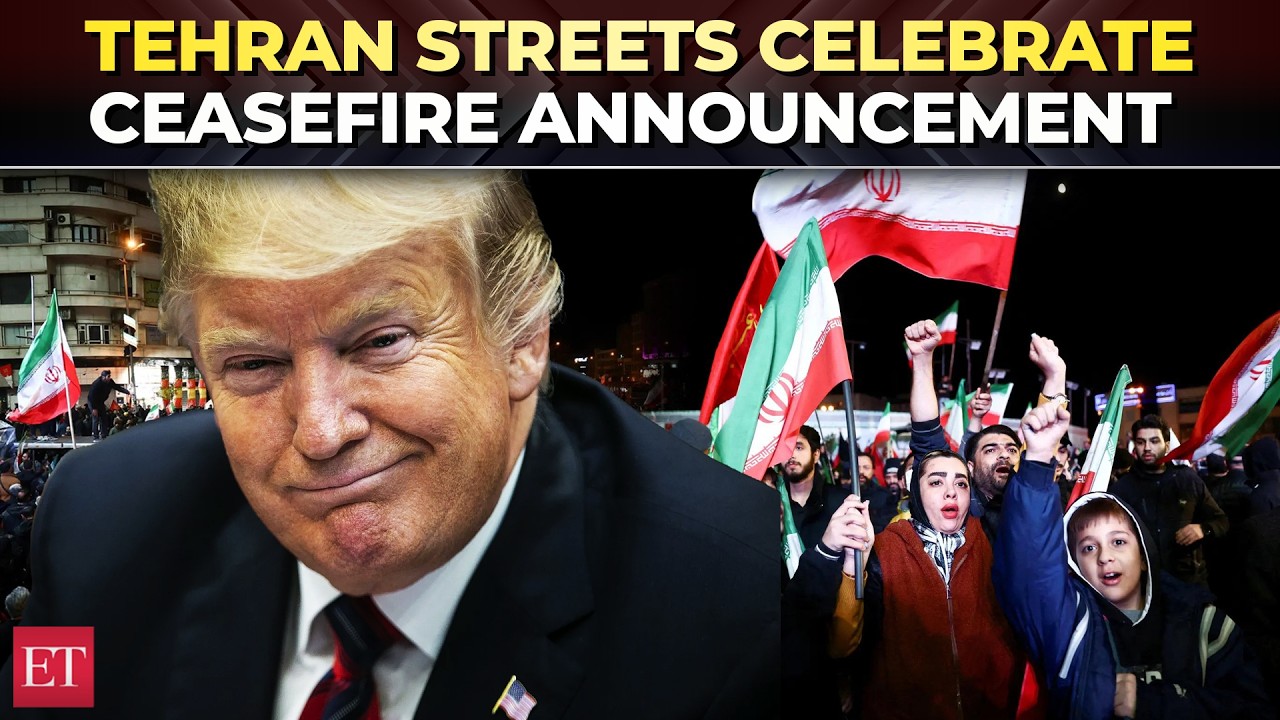
In a stunning reversal, US President Donald Trump has agreed to a two-week ceasefire with Iran, averting potential catastrophe as Tehran erupts in jubilation over what officials call a humiliating US retreat. Negotiations kick off Friday in Islamabad, mediated by Pakistan, with Iran expressing deep distrust but offering a tentative path to peace amid a brutal six-week war that has claimed over 5,000 lives. This fragile truce demands Iran halt its Strait of Hormuz blockade, securing vital global oil flows, while both sides eye a possible extension.
The dramatic announcement came late on April 7th via Trump’s Truth Social platform, where he declared the ceasefire just hours before his own deadline for Iranian compliance or face devastating attacks. Trump’s post described it as a “double-sided“ deal, contingent on Tehran’s agreement to pause counterstrikes and reopen the strategic waterway that handles 15% of the world’s oil shipments. Iranian Foreign Minister Abbas Araghchi swiftly confirmed the terms, portraying it as a victory that forces Washington into retreat after weeks of escalating threats.
This ceasefire marks a pivotal shift in a conflict that has ravaged the region, with more than 1,600 civilian deaths reported in Iran alone by human rights monitors. Trump’s earlier warnings, including his ominous claim that “a whole civilization will die tonight,“ had ratcheted up global tensions, only for this last-minute accord to defuse the powder keg. Pakistan’s prime minister played a key role in brokering the talks, stepping in as a neutral facilitator amid widespread international alarm.
Iranian state media is broadcasting scenes of celebration across Tehran, with crowds waving flags and chanting slogans of triumph, framing the deal as a testament to their resilience. Yet, underlying the euphoria is a wariness: Iranian officials emphasized that the two-week window begins with “complete distrust“ toward the US, insisting any extension requires mutual consent and verifiable commitments from both parties.
White House sources confirmed that Israel has also signed onto the truce, agreeing to suspend its bombing campaigns against Iranian targets. This development adds another layer of complexity, as Israeli outlets reported that hostilities would cease only once the Strait of Hormuz is fully operational, potentially leaving a volatile interim period. Trump’s administration hailed the deal as a pragmatic step, citing Iran’s 10-point proposal as a “workable basis“ for negotiations.
The broader implications of this ceasefire ripple across the globe, potentially stabilizing oil markets and easing the humanitarian crisis in affected nations. With the war entering its sixth week, refugees are fleeing border regions, and aid groups warn of impending famine. Trump’s decision reflects a pattern of brinkmanship, where his threats have alternately inflamed and de-escalated the situation, keeping the world on edge.
Amid the high-stakes diplomacy, an unexpected front has emerged on social media, where Iranians and their supporters are waging a meme war against Trump’s narrative. Despite a nationwide internet blackout in Iran, savvy users abroad have flooded platforms like X with satirical posts, turning the conflict into a 𝓿𝒾𝓇𝒶𝓁 battleground. Iranian officials, including Parliament Speaker Muhammad Bagher Ghalibaf, have led the charge, fact-checking US claims with sharp, humorous rebuttals.
For instance, when a US senator accused Iran of funding terrorism, Ghalibaf fired back with a mocking meme suggesting that without weapons, the US might seize oil fields in mere hours—a clever twist that resonated widely. The Iranian embassy in South Africa kicked off a meme campaign on March 30th, sharing images that ridiculed Trump’s demands, such as claiming they’d “lost the keys“ to the Strait of Hormuz. This digital push has amplified Iran’s voice, countering propaganda and engaging global audiences.
Even nations like Bulgaria have joined the online fray, with their embassy in Iran responding to Trump’s complaints about allies with a pointed quip: “Iran can help you, but step one is be polite.“ These exchanges highlight how modern warfare extends beyond physical battlefields, using humor to undermine adversaries and build solidarity. As memes proliferate, they underscore Iran’s savvy in the information age, turning Trump’s tactics against him.
Back in the real world, the ceasefire’s success hinges on swift implementation. Trump’s Truth Social update outlined expectations for finalizing an agreement within the two-week span, but analysts caution that any misstep could reignite hostilities. The Strait of Hormuz, a chokepoint for global energy, remains central, with Iran’s pledge to ensure safe passage seen as a critical concession.
This deal also spotlights the human toll of the conflict, which has displaced thousands and strained international relations. Reports from human rights groups detail widespread destruction in Iranian cities, where airstrikes have leveled infrastructure and claimed innocent lives. Trump’s administration, facing domestic pressure, may view this as a win, but critics argue it exposes vulnerabilities in his foreign policy approach.
As negotiations unfold in Islamabad, the world watches with bated breath. Iran’s foreign minister has vowed to uphold the truce if the US does the same, emphasizing a need for genuine dialogue. Yet, the path to lasting peace remains fraught, with underlying grievances—such as US sanctions and regional alliances—still simmering.
The social media dimension adds a layer of intrigue, showing how public perception can influence diplomatic outcomes. Iranians, even with limited access, have masterfully used memes to rally support and expose contradictions in Trump’s rhetoric. This grassroots effort has gone 𝓿𝒾𝓇𝒶𝓁, with users worldwide sharing content that mocks US bluster while celebrating Iranian defiance.
In summary, this ceasefire represents a fragile hope amid chaos, a testament to the pressures of global interdependence. As Tehran celebrates and Washington recalibrates, the coming days will reveal whether this truce leads to enduring stability or merely a temporary pause in an escalating saga. The stakes could not be higher, with peace hanging in the balance.