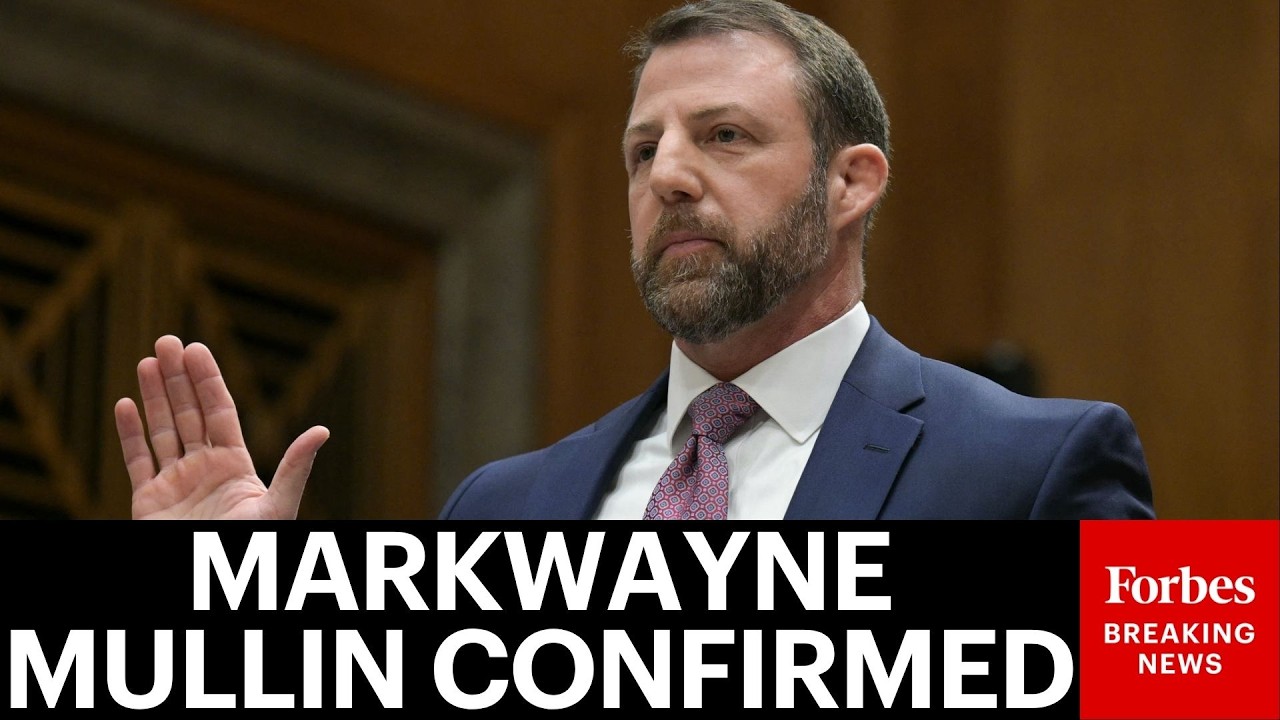
In a dramatic turn on Capitol Hill, the U.S. Senate has confirmed Oklahoma Senator Markwayne Mullin as the next Secretary of Homeland Security in a decisive vote, signaling a major shift in the nation’s approach to border protection, counterterrorism, and domestic threats amid escalating global uncertainties.
This confirmation comes as a swift and unexpected development in Washington, where Mullin, a Republican firebrand known for his tough stance on immigration and national security, secured the necessary votes after intense debates and lobbying efforts. His nomination, put forward by the administration, underscores a push for stronger enforcement measures at a time when border crossings have surged to record levels.
Mullin’s rise to this pivotal role highlights his background as a former businessman and senator, where he has championed policies aimed at bolstering U.S. defenses against both foreign and domestic risks. Supporters argue that his experience will bring much-needed urgency to an agency grappling with staffing shortages and technological upgrades, potentially reshaping how America responds to emerging threats like cyberattacks and extremism.
The vote, finalized just hours ago, reflects bipartisan consensus on the need for immediate action, though not without controversy. Some Democrats expressed reservations about Mullin’s hardline views, fearing they could exacerbate tensions at the southern border, while Republicans hailed the decision as a victory for robust security policies in an increasingly volatile world.
As the nation digests this news, experts are already speculating on the potential ripple effects, including enhanced funding for border wall projects and intensified efforts to combat human trafficking. Mullin’s confirmation arrives at a critical juncture, with recent intelligence reports warning of heightened risks from international actors seeking to exploit U.S. vulnerabilities.
In his new position, Mullin will oversee a vast department responsible for safeguarding the homeland, coordinating with agencies like Customs and Border Protection and the FBI. This leadership change could accelerate reforms long advocated by the administration, focusing on streamlining operations and integrating advanced surveillance technologies to prevent future attacks.
The confirmation process was marked by procedural efficiency, with the Senate expediting deliberations to address pressing national concerns. Lawmakers on both sides acknowledged the urgency, citing ongoing challenges such as 𝒹𝓇𝓊𝑔 cartel activities and climate-related migration pressures that demand decisive leadership.
Mullin’s appointment marks a significant milestone in his political career, transitioning from a vocal critic in the Senate to a key cabinet member. His allies point to his firsthand experience in Oklahoma, where he dealt with issues like rural security and disaster response, as assets that will inform his strategies moving forward.
Critics, however, worry that his approach might prioritize enforcement over humanitarian aspects, potentially leading to policy clashes with international allies. Despite these concerns, the confirmation vote passed with a comfortable margin, reflecting broad agreement on the need for a steady hand at the helm of homeland security.
Looking ahead, Mullin’s tenure is expected to involve close collaboration with other cabinet officials, including the Attorney General and Defense Secretary, to fortify America’s defenses. This development could influence upcoming legislative agendas, with potential bills aimed at expanding surveillance powers and investing in border infrastructure.
The news has already sparked reactions across the political spectrum, with conservative groups praising the move as a step toward restoring order, while progressive organizations call for balanced policies that address root causes of migration. As details emerge, the public is urged to stay informed on how this confirmation will shape daily life and national safety.
In the coming days, Mullin is set to be sworn in, marking the beginning of what promises to be a transformative period for the Department of Homeland Security. His leadership will be tested immediately by ongoing issues, including natural disasters and potential terrorist threats, demanding quick and effective responses.
This breaking story continues to unfold, with more updates expected as Mullin outlines his vision for the agency. The confirmation represents not just a personnel change, but a broader commitment to adapting to the evolving landscape of global risks, ensuring the U.S. remains secure in an uncertain era.
As Washington buzzes with the implications, one thing is clear: Markwayne Mullin’s confirmation as Secretary of Homeland Security is a watershed moment that could redefine how America protects its borders and citizens for years to come. Stay tuned for further developments in this fast-paced saga.